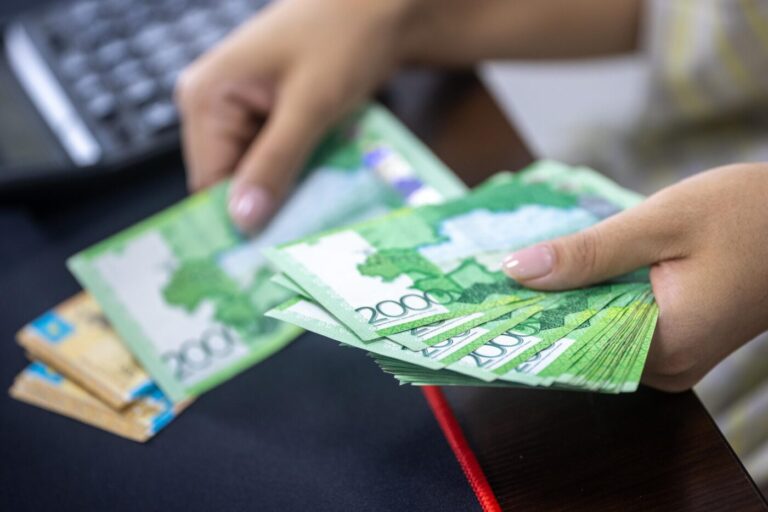

You’re short on cash, your card is in your wallet, and the ATM is right there. A credit card cash advance feels like a simple solution — but what looks like a quick fix can quietly turn into one of the most expensive financial moves you’ll ever make.
What Is a Credit Card Cash Advance?
A cash advance is when you use your credit card to withdraw cash directly from an ATM or bank, rather than making a purchase. Some cards also allow cash advances through convenience checks mailed by the issuer. Either way, the money hits your hand fast — and the costs start just as quickly.
The Fees That Add Up Immediately
Unlike regular purchases, cash advances come with a transaction fee right out of the gate. Most credit card issuers charge either a flat fee or a percentage of the amount withdrawn — typically 3% to 5%, with a minimum of around $10. So if you pull out $500, you could be paying $25 before any interest even enters the picture.
On top of that, ATM operators often charge their own separate fee. That’s two charges before you’ve even left the machine.
No Grace Period — Interest Starts on Day One
Here’s where things get significantly worse. With standard credit card purchases, you usually have a grace period of 21 to 25 days before interest kicks in, as long as you pay your balance in full. Cash advances have no such grace period. Interest begins accruing the moment you take the money out.
And that interest rate? It’s typically much higher than your regular purchase APR. While many cards charge 20% to 25% on purchases, cash advance APRs often sit between 25% and 30%. Some cards push even higher.

A Real-World Example
Say you take out a $300 cash advance on a card with a 29.99% cash advance APR and a 5% transaction fee. You pay the $15 fee immediately. If you carry that $300 balance for just 30 days, you’ll owe roughly $7.50 in interest on top of that. One month, $22.50 in extra costs for $300 in cash. Carry it for three months without paying it off, and the total extra cost climbs above $45 — nearly 15% of what you borrowed, in fees and interest alone.
How Payments Are Applied
There’s another layer to this. When you carry multiple types of balances on a card — purchases, cash advances, balance transfers — the card issuer typically applies your minimum payment to the lower-interest balances first. That means your expensive cash advance balance can sit there accumulating interest while your regular purchases get paid down. Federal rules now require payments above the minimum to go toward the highest-rate balance, but minimum-only payers are still exposed.
When a Cash Advance Might Still Make Sense
There are rare scenarios where a cash advance is the least bad option — a genuine emergency with no other access to funds, for example. If that’s the case, pay it off as fast as humanly possible. Don’t let it linger.
Better alternatives to explore first include personal loans, borrowing from a friend or family member, paycheck advance apps, or a credit union emergency loan. Many of these come with far lower costs and more breathing room.
The Bottom Line
Credit card cash advances aren’t inherently evil, but they are genuinely expensive — by design. The combination of upfront fees, immediate high-rate interest, and the way payments get applied makes them a financial product that rewards speed of repayment above everything else. If you ever find yourself reaching for a cash advance, go in with your eyes open and a repayment plan already in hand.