

The Rise of Digital Banks and a Very Reasonable Question
Millions of people have already made the switch. No branches, no paperwork, no waiting in line — just an app, a card, and a surprisingly smooth experience. Digital banks have reshaped how people manage money, but one question keeps coming up: is your money actually safe there?
It’s a fair thing to wonder. Trusting a bank you’ve never walked into with your savings feels different. The good news is that the answer is more reassuring than most people expect — though there are a few things worth understanding before you move everything over.
Are Digital Banks Actually Licensed?
The first thing to check with any digital bank is whether it holds a proper banking license. In the United States, for example, banks insured by the FDIC protect deposits up to $250,000 per depositor, per institution. Many well-known digital banks — like Chime, SoFi, and Ally — are either directly FDIC-insured or partner with insured banks to offer that same protection.
In Europe, digital banks like Revolut, N26, and Monzo operate under banking licenses issued by national regulators, which means deposits are covered by local government-backed guarantee schemes, typically up to €100,000.
The practical takeaway: before opening an account, spend two minutes checking whether the institution is insured or licensed by a recognized financial authority. That single step answers most of the safety question right there.
How Digital Banks Protect Your Data
Encryption and Authentication
Reputable digital banks use 256-bit encryption — the same standard used by large traditional banks and government agencies. On top of that, most require two-factor authentication (2FA) for login and transactions, which adds a meaningful layer of protection even if your password is ever compromised.
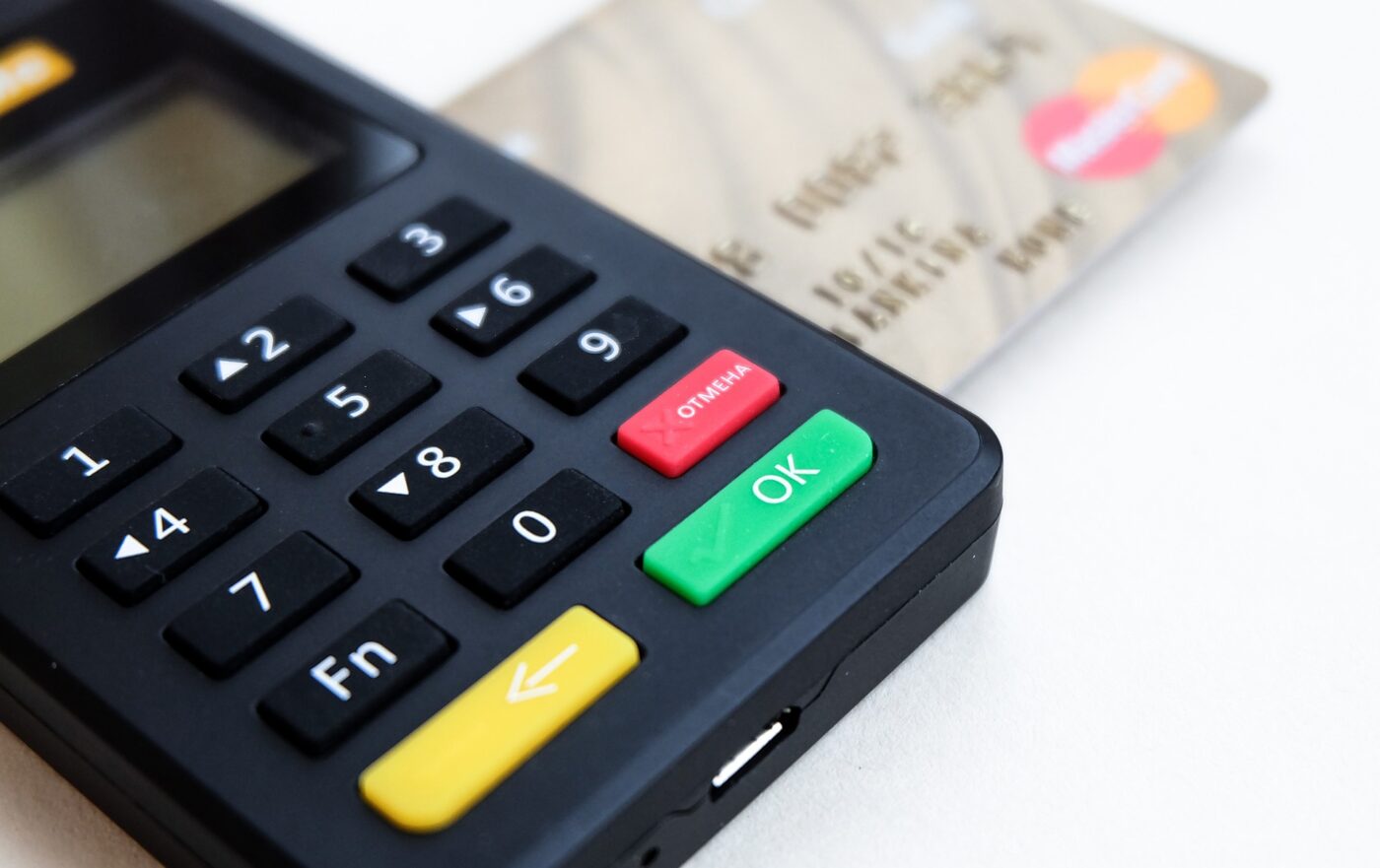
Biometric login, instant transaction alerts, and the ability to freeze your card directly from the app are now standard features. In many ways, these real-time controls give users more visibility over their accounts than a traditional bank ever offered.
What Happens If the Bank Goes Under?
This is the scenario most people quietly worry about. If an FDIC-insured digital bank fails, your deposits are covered up to the legal limit — just as they would be with any brick-and-mortar institution. The FDIC has handled hundreds of bank failures over the decades, and insured depositors have never lost a cent.
The risk gets trickier with fintech apps that aren’t banks themselves, but rather hold your funds through a partner bank. In those cases, you need to confirm that the pass-through insurance applies to your account specifically. Most legitimate platforms are transparent about this.
The Real Risks to Watch Out For
The biggest threats to your money in a digital bank aren’t usually the bank itself — they’re phishing scams, social engineering, and weak personal security habits. Fraudsters know that digital bank users tend to be comfortable acting fast through an app, and they exploit that.
- Never click links in unexpected emails or texts claiming to be from your bank.
- Use a strong, unique password and enable 2FA on your account.
- Review transaction notifications as soon as they arrive — catching fraud early makes all the difference.
- Be cautious about connecting your account to third-party apps you don’t fully trust.
Customer support is another area where digital banks have historically lagged. Some still rely heavily on chatbots, which can be frustrating when something actually goes wrong. Before committing to a platform, it’s worth reading recent user reviews about how disputes and fraud claims are handled.
So, Should You Trust a Digital Bank With Your Money?
For everyday spending, saving, and even investing, a well-regulated digital bank is genuinely safe. The technology is solid, the regulatory frameworks are real, and the convenience is hard to argue with. That said, spreading large sums across more than one institution — digital or traditional — is always a sensible approach, regardless of how much you trust any single provider.
The shift to digital banking isn’t a leap of faith anymore. It’s a calculated choice — and for most people, a pretty smart one.