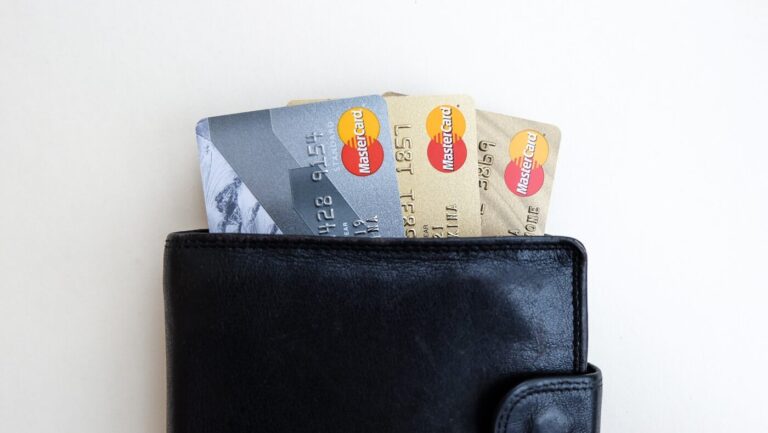

Getting Something Back for Every Swipe
Credit card rewards sound almost too good to be true: spend money, earn free travel, gift cards, or straight-up cash. But underneath the glossy marketing, there’s a system with real mechanics worth understanding. Once you know how it works, you can stop leaving value on the table and start making your everyday spending work harder for you.
The Three Main Types of Rewards
Most credit card rewards fall into one of three buckets:
- Cashback: A percentage of your spending is returned to you as a statement credit or deposit. A card offering 2% cashback on all purchases gives you $2 for every $100 spent.
- Points: You earn points per dollar, which can be redeemed for travel, merchandise, gift cards, or sometimes cash. The value per point varies wildly depending on how you redeem them.
- Miles: Typically tied to airline programs, miles work similarly to points but are usually most valuable when redeemed for flights or seat upgrades.
Some cards blend these systems, and certain bank programs, like Chase Ultimate Rewards or American Express Membership Rewards, let you transfer points to multiple airline and hotel partners, which is where serious value can be unlocked.
How Earning Works in Practice
Rewards cards don’t give the same rate across every purchase. Most have a tiered structure. A travel card might offer 3x points on flights and hotels, 2x on dining, and 1x on everything else. If you book a $400 flight with that card, you’d earn 1,200 points on that purchase alone.
Grocery stores, gas stations, and streaming subscriptions are common bonus categories. Knowing your card’s structure and aligning it with your actual spending habits makes a noticeable difference over a year.
Sign-Up Bonuses: The Real Accelerator

Many premium cards offer a large welcome bonus if you hit a minimum spending threshold in the first few months. Spend $4,000 in 90 days, for example, and receive 60,000 points. Depending on how you redeem them, those points could be worth anywhere from $600 to well over $1,000 in travel. This is often the fastest way to build up a meaningful rewards balance.
Redemption: Where the Real Math Lives
Earning rewards is only half the equation. How you redeem them determines whether you got a great deal or wasted potential.
Cashback is simple, one cent equals one cent. Points and miles, though, fluctuate in value. Redeeming 10,000 points for a $100 Amazon purchase might give you one cent per point. But transferring those same 10,000 points to an airline partner and booking a business class seat could yield two or three cents per point.
The Trap to Avoid
Redeeming points for merchandise or low-value gift cards is usually where rewards programs quietly shortchange you. The per-point value drops significantly compared to travel redemptions. Before clicking confirm on a redemption, it’s worth doing a quick calculation of what you’re actually getting per point.
Annual Fees and the Real Cost of Rewards
Premium rewards cards often charge annual fees ranging from $95 to $695. That sounds steep, but many cards offset this with credits for travel, dining, or other perks that can exceed the fee if you actually use them. A card charging $550 annually that includes $300 in travel credits, airport lounge access, and other benefits can absolutely be worth it for frequent travelers. For someone who rarely flies, probably not.
The honest calculation is simple: add up the perks you’d genuinely use, subtract the annual fee, and see if the math is in your favor.
One Final Thought
Credit card rewards are a legitimate way to get more from money you’re already spending, but only if you’re paying your balance in full each month. Carrying a balance means interest charges that will always outpace whatever rewards you earned. Used responsibly, though, these programs can fund real trips, reduce expenses, and add up to something genuinely worthwhile over time.