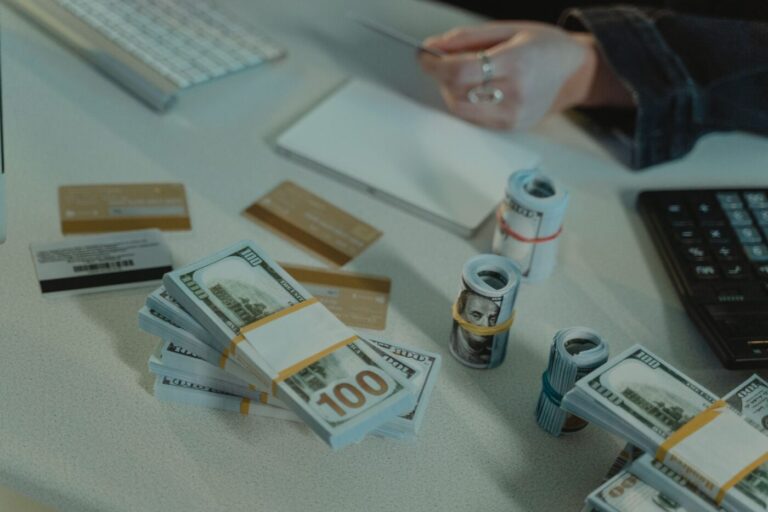

Saving Money Has Never Looked This Good
There’s a quiet satisfaction in fixing something yourself — and a very loud one when you see how much money stays in your pocket afterward. DIY projects have grown from a weekend hobby into a genuine financial strategy for millions of households. And once you start doing the math, it’s hard to argue against picking up a paintbrush or a drill.
Whether you’re patching drywall, building a raised garden bed, or reupholstering an old chair, the savings can be significant. But the benefits go beyond just cutting costs on a single project.
Labor Costs Are Where the Real Money Goes
When you hire a professional for home repairs or improvements, you’re not just paying for materials. A large portion of the bill — often 40% to 60% — covers labor. A simple bathroom tile repair that costs $80 in materials might run you $300 or more once a contractor is involved. Do it yourself, and you keep that gap.
Painting a single room is a great example. Hiring painters for an average bedroom typically costs between $300 and $800 depending on your location. The paint, rollers, tape, and drop cloth? Rarely more than $80. That’s a potential saving of several hundred dollars for a Saturday afternoon’s work.
Repairs That Snowball Into Bigger Bills
Small issues tend to grow when ignored. A slow drain, a leaky faucet, a loose cabinet hinge — these are the kinds of repairs many people postpone because calling a professional feels like a big commitment. When you’re comfortable handling minor fixes yourself, you deal with them early, before they turn into expensive problems. A dripping faucet left unattended can waste thousands of gallons of water and inflate your utility bills over time.
The Hidden Financial Skill: Learning to Assess What’s Worth Doing Yourself
Not every project makes sense as a DIY job, and experienced home improvers know this well. Electrical work, structural repairs, and anything involving gas lines are areas where mistakes carry real risks — and where bad outcomes can actually cost more to fix than the original professional service would have.

The sweet spot for DIY savings tends to be:
- Cosmetic work like painting, wallpapering, or refinishing furniture
- Basic plumbing fixes such as replacing faucets or unclogging drains
- Landscaping and garden projects
- Assembly and installation of flat-pack furniture
- Minor carpentry like shelving or trim work
These are projects where the learning curve is manageable, the risk is low, and the savings are real.
Tools Pay for Themselves Over Time
One common hesitation is the upfront cost of tools. A decent drill, a sander, or a tile cutter can feel like a big purchase before you’ve started. But tools are reusable assets. A $60 drill that helps you complete five projects over the years has already paid for itself many times over — especially when each of those projects would have cost $150 to $500 in professional labor.
Borrowing tools from neighbors or renting them from hardware stores is also a smart move for one-off projects, keeping your investment close to zero.
Resale Value Is a Real Bonus
Thoughtful DIY improvements can increase your home’s value. A refreshed kitchen backsplash, new interior paint, or a well-built deck adds appeal to any property. Real estate agents consistently note that homes with updated cosmetic details sell faster and at better prices — and many of those updates are well within DIY reach.
More Than a Hobby, It’s a Financial Habit
The people who benefit most from DIY aren’t necessarily the most skilled — they’re the most consistent. Every small repair handled at home, every piece of furniture restored instead of replaced, every garden bed built from scratch adds up over months and years. That kind of quiet financial discipline, repeated often enough, makes a real difference in how far a paycheck goes.
Starting small is completely fine. Fix a door that won’t latch. Paint a room. Build a bookshelf. The first project teaches you more than any video tutorial can, and the savings you walk away with have a way of making the next project feel obvious.