

A Different Kind of Asset
Most people think of stocks and bonds when they picture investing. But there’s a whole other category of assets that has quietly built wealth for traders, institutions, and everyday investors for centuries: commodities. Oil, gold, wheat, copper, natural gas — these are the raw materials that keep the world running, and they can also keep your portfolio performing even when traditional markets stumble.
Understanding why commodities deserve serious attention starts with one simple fact: they’re real. They exist in the physical world. And that tangibility brings a set of advantages that paper-based assets simply can’t replicate.
Inflation? Commodities Don’t Mind
One of the strongest arguments for holding commodities is their historical relationship with inflation. When prices rise across the economy, the cost of raw materials typically rises with them — or even ahead of them. Gold, for instance, has long served as a store of value during periods of currency devaluation. During the inflationary surge of 2021 and 2022, energy and agricultural commodities posted some of the strongest returns in the market.
For investors watching the purchasing power of their savings erode, commodities act as a natural hedge. While a bond paying a fixed interest rate loses real value as inflation climbs, a barrel of oil or a bushel of corn tends to move in the opposite direction.
Diversification That Actually Works
Adding commodities to a portfolio isn’t just about chasing returns — it’s about reducing overall risk. Commodities often move independently from stocks and bonds, which means they can cushion a portfolio during equity market downturns.
Consider 2008. While global stock markets collapsed, gold rose sharply. Or look at 2022, when both stocks and bonds fell simultaneously — an unusual and painful scenario for traditional 60/40 portfolios — while energy commodities surged due to geopolitical tensions and supply disruptions. The lack of correlation with equities is precisely what makes commodities valuable from a risk management standpoint.
Ways to Gain Exposure
Direct Investment
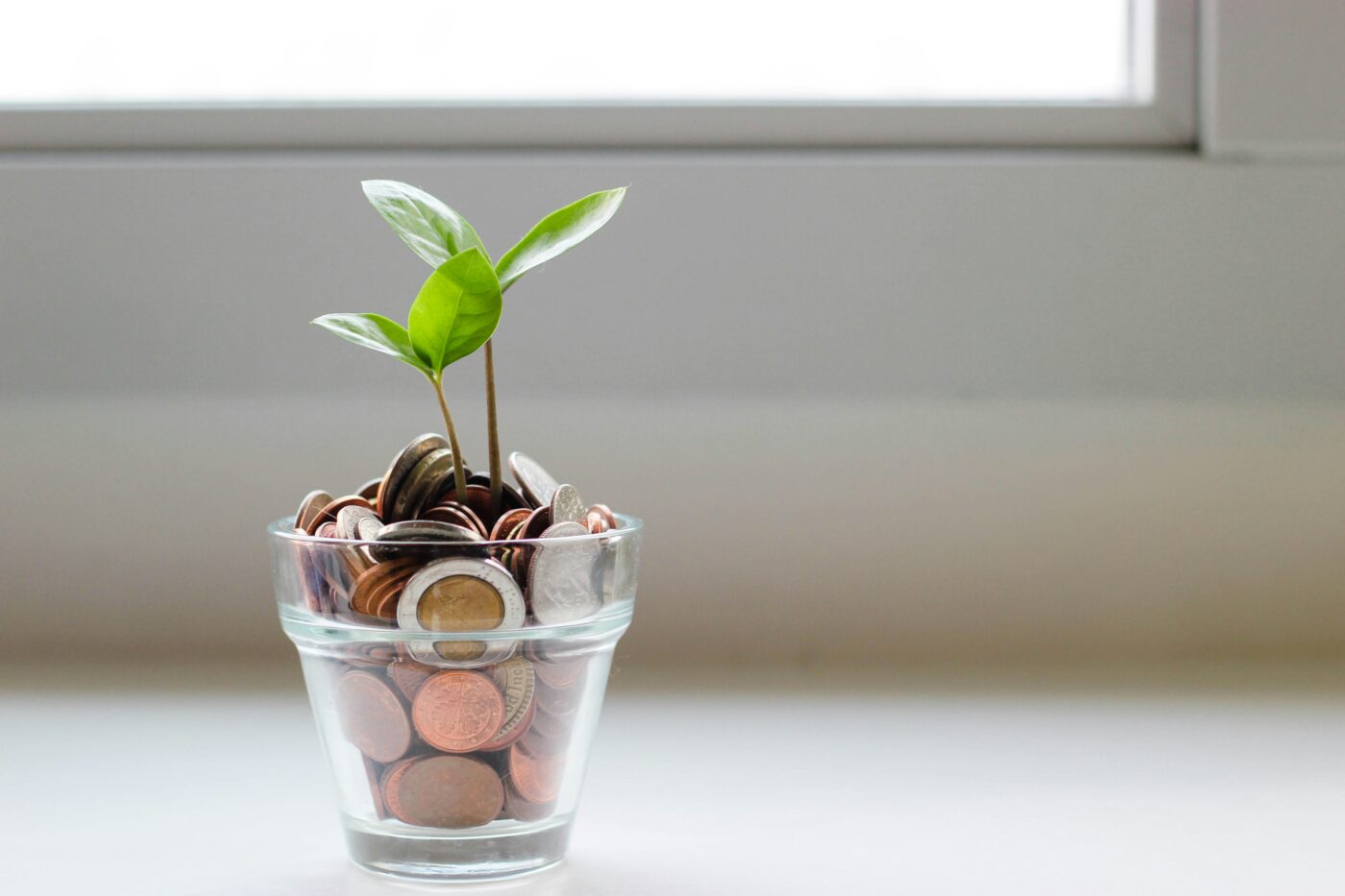
Buying physical gold or silver is one of the most straightforward ways to invest in commodities. Bullion coins and bars are widely available, and ownership is direct. The downside is storage and insurance costs.
Futures and ETFs
For those who prefer not to store physical assets, futures contracts and commodity ETFs offer market exposure without the logistics. ETFs tracking oil, agricultural products, or broad commodity indexes can be bought and sold just like stocks, making them accessible even to beginners.
Commodity Stocks
Investing in companies that produce or process commodities — mining firms, energy producers, agricultural businesses — is another indirect route. These stocks tend to benefit when commodity prices rise, though they also carry company-specific risks.
The Risks Are Real Too
Commodities can be volatile. Prices are influenced by weather, geopolitics, currency fluctuations, and shifts in global demand — factors that are notoriously hard to predict. A drought in Brazil can spike coffee prices overnight. A diplomatic agreement can send oil tumbling in hours.
That’s why most financial advisors recommend commodities as part of a diversified strategy rather than a core holding. A 5% to 15% allocation is a common range, enough to provide meaningful protection without overexposing a portfolio to the sector’s swings.
A Time-Tested Asset Class
Commodities aren’t a trend or a shortcut. They’ve been traded across civilizations for thousands of years because they serve a fundamental purpose: they’re the building blocks of the global economy. As long as the world needs energy, food, and metals — and it will — commodities will have intrinsic value.
For investors willing to understand the risks and approach the asset class with a clear strategy, commodities offer something genuinely valuable: a different kind of protection, built on something real.