
Two Ways to Handle Your Money
Not long ago, banking meant driving to a branch, waiting in line, and chatting with a teller who probably knew your name. That experience still exists — but now it shares space with a completely different model: banking that lives entirely on your phone or laptop. Choosing between the two isn’t always obvious, and for many people, the right answer isn’t one or the other.
What Brick-and-Mortar Banking Offers
Traditional banks — think Chase, Bank of America, or your local credit union — operate out of physical branches. You can walk in, speak with someone face to face, and get help with everything from opening a savings account to applying for a mortgage.
That human element matters more than people often realize. When something goes wrong, like a disputed charge or a frozen account, being able to sit across from a real person and work through the issue can save a lot of stress. For complex financial products, like home equity loans or business accounts, in-person guidance often makes the process smoother.
The Trade-Offs of Going Traditional
Physical infrastructure is expensive, and banks pass that cost along. Traditional banks tend to charge higher monthly fees, offer lower interest rates on savings accounts, and require higher minimum balances. Their apps have improved significantly, but they often still lag behind the sleek, intuitive interfaces of digital-first competitors.
The Rise of Online Banking
Online banks like Ally, Marcus by Goldman Sachs, or Chime operate without branches. Everything happens through an app or website — deposits, transfers, bill payments, customer support. Because they don’t carry the overhead of physical locations, they can offer noticeably better rates and lower (sometimes zero) fees.
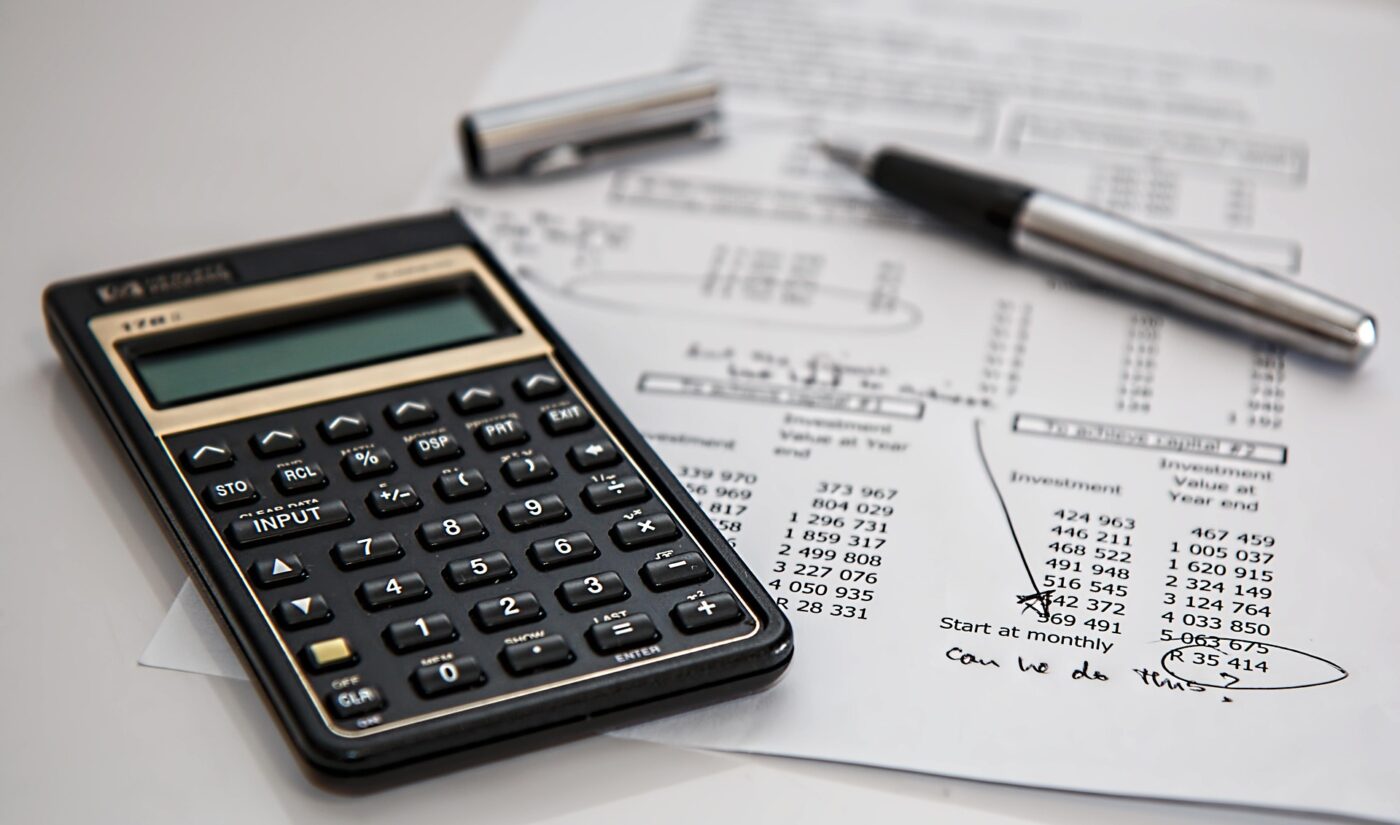
Take high-yield savings accounts as an example. While a traditional bank might offer 0.01% APY on a standard savings account, many online banks consistently offer rates above 4% or 5%. Over time, that gap makes a real difference.
What You Give Up Without a Branch
Convenience has limits. Depositing cash is genuinely awkward with online banks — you often have to load it onto a prepaid card or find a partner ATM network. If you deal frequently in cash, this becomes a real inconvenience rather than a minor quirk.
Customer service is another consideration. Chat support and phone lines can be excellent, but they’re not the same as sitting down with someone who can pull up your account and walk you through it step by step.
How to Decide What Works for You
Your lifestyle and financial habits should drive the decision. A few questions worth asking yourself:
- Do you deposit or handle cash regularly?
- Are you comfortable managing money through an app?
- Do you need services like safe deposit boxes or notarized documents?
- How important is a high return on your savings?
Many people land on a hybrid approach — keeping a traditional bank account for everyday transactions and in-person needs, while parking savings at an online bank to take advantage of better rates. There’s no rule that says you can only have one.
The Bottom Line
Both models have real strengths, and neither is going away. Traditional banks offer stability, physical access, and a full range of services under one roof. Online banks offer efficiency, better yields, and a user experience built for the smartphone era. Understanding what each brings to the table puts you in a much stronger position to make a choice that actually fits your life.