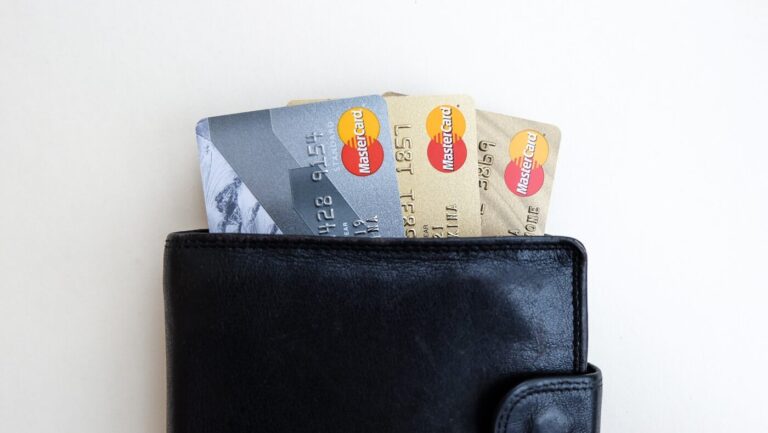

Juggling More Than One Card? Here’s How to Do It Right
Having a single credit card is manageable enough. But once you start adding a second, third, or even fourth to your wallet, things can get complicated fast. Missed due dates, forgotten balances, and creeping debt are real risks — but they’re also entirely avoidable. Managing multiple credit cards well is less about willpower and more about building the right habits and systems.
Know What Each Card Is For
One of the smartest things you can do is assign a clear purpose to each card. Using every card for everything is a recipe for confusion. Instead, think about what each one does best.
For example, you might use one card exclusively for groceries and gas because it offers 3% cash back on those categories. Another card might be your go-to for travel, earning airline miles on flights and hotels. A third could be reserved for larger purchases that benefit from an extended warranty or purchase protection perk.
When each card has a role, you spend intentionally rather than randomly — and you actually get value from the rewards instead of spreading them too thin.
Set Up Autopay for Every Card
Missing a payment is one of the easiest ways to hurt your credit score and rack up unnecessary fees. With multiple cards, the risk of forgetting a due date multiplies. Autopay solves this almost entirely.
Set up automatic payments for at least the minimum due on every card. Ideally, you’d pay the full balance each month, but if cash flow varies, the minimum keeps you protected from late fees and negative marks on your credit report. Just make sure your bank account can cover those automatic withdrawals.
Track Due Dates Even With Autopay
Autopay is a safety net, not a reason to stop paying attention. Keep an eye on your statements — errors happen, fraudulent charges appear, and sometimes subscriptions you forgot about show up. A quick monthly review of each card keeps you in control.
Watch Your Credit Utilization

Credit utilization — how much of your available credit you’re using — plays a big role in your credit score. The general advice is to stay below 30%, but lower is better. What many people don’t realize is that this applies both overall and per card.
So even if your total utilization looks fine, one maxed-out card can drag your score down. If you notice one card getting close to its limit, shift some spending to another card with more available credit, or pay it down before the statement closes.
Don’t Open Cards Just for the Bonus
Welcome bonuses are tempting — spend $500 in the first three months and get $200 back. It sounds like free money, but chasing bonuses across too many cards leads to overspending, hard inquiries on your credit report, and accounts you don’t actually need.
Be selective. Open a new card when it genuinely fits your lifestyle and spending habits, not just because the sign-up offer looks good on paper.
Keep Older Accounts Open
The length of your credit history matters. Closing an old card — even one you barely use — can shorten your average account age and potentially lower your score. If a card has no annual fee, there’s little reason to close it. Make a small purchase on it every few months to keep it active, then pay it off immediately.
When It Makes Sense to Close a Card
That said, if a card charges a high annual fee and you’re not getting enough value from it, closing it may be the right call. Just be mindful of the timing and the potential short-term impact on your credit score before you do.
Use a Simple System to Stay Organized
You don’t need fancy software. A basic spreadsheet — or even the notes app on your phone — can do the job. List each card, its due date, current balance, credit limit, and reward category. Reviewing it once a month takes less than ten minutes and gives you a clear picture of where you stand.
Managing multiple credit cards isn’t complicated when you treat it like a system rather than a guessing game. With the right structure in place, multiple cards can actually work in your favor — boosting your credit score, maximizing rewards, and giving you flexibility when you need it most.