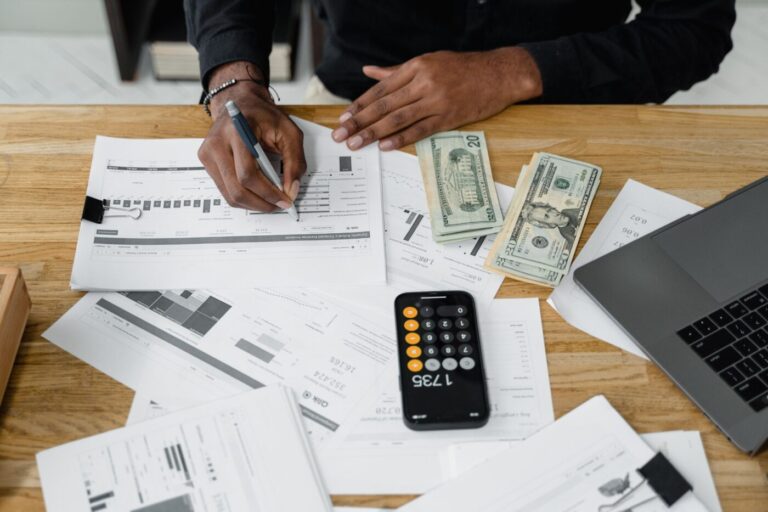

Most People Glance at Their Bank Statement. Here’s Why That’s a Problem.
A bank statement arrives every month, and for many people, it gets a quick scroll before being closed or filed away. Yet that single document holds a surprisingly clear picture of your financial life — your spending habits, your income flow, any fees quietly eating into your balance, and sometimes, signs of fraud you might otherwise miss for months.
Reading a bank statement correctly isn’t complicated, but it does require knowing what you’re actually looking at. Once you understand the structure, it takes just a few minutes to get real value from it.
The Basic Layout of a Bank Statement
Every bank formats statements slightly differently, but the core sections are almost always the same.
Account Summary
At the top, you’ll find your account summary. This typically shows your opening balance (what you had at the start of the period), your closing balance (what you have at the end), and sometimes a quick breakdown of total deposits and withdrawals. Think of it as the headline — useful for a fast check, but not the full story.
Transaction History
This is the heart of the statement. Each line represents a transaction and usually includes the date, a description or merchant name, and the amount. Deposits appear as credits (money coming in), while purchases and payments appear as debits (money going out).

Pay close attention to the descriptions. They’re not always obvious. A charge listed as “SQ *COFFEELAB” is a Square payment to a coffee shop. “ACH TRANSFER” usually means a direct bank transfer. If something looks unfamiliar, don’t assume it’s fine — look it up.
What to Check Every Single Month
A lot of people treat bank statement review as optional. It really isn’t. Here’s what deserves your attention each time:
- Unauthorized transactions: Even small ones. Fraudsters often test accounts with tiny charges before making larger ones.
- Recurring charges you forgot about: That $12.99 subscription you signed up for last year and never cancelled is still running. Multiply that by a few services, and it adds up fast.
- Bank fees: Monthly maintenance fees, overdraft charges, ATM fees outside your network — these are often avoidable, but only if you notice them.
- Duplicate transactions: Rare, but they happen. A merchant might accidentally charge you twice for the same purchase.
- Payroll and expected deposits: Confirm your salary or any expected payments actually arrived, and on the right date.
Understanding the Running Balance
Some statements include a running balance column, which shows your account balance after each individual transaction. This is genuinely helpful for spotting the moment your balance dipped unexpectedly, or for tracing back when a specific fee was triggered.
If your statement doesn’t include this column, most banking apps let you tap on any transaction to see the balance at that point in time.
A Simple Habit That Pays Off
Set aside ten minutes at the end of each month to go through your statement line by line. You don’t need a spreadsheet or a financial background. You just need to be deliberate about it. Over time, you’ll start recognizing your own patterns — and you’ll catch problems early, before they become expensive ones.
Your bank statement isn’t just a record of the past. Used properly, it’s one of the simplest tools you have for staying in control of your money.