
Saving for a Down Payment Is Hard — But It Doesn’t Have to Feel Impossible
Buying a home is one of the biggest financial moves most people will ever make. And for many, the hardest part isn’t qualifying for a mortgage or finding the right neighborhood — it’s scraping together that initial lump sum before any of that even begins. A 20% down payment on a $350,000 home means you need $70,000 in cash. That number can feel paralyzing.
But here’s the thing: people do it every day. With the right approach, a realistic timeline, and a few smart habits, building that fund is absolutely achievable. The key is knowing where to focus your energy.
Set a Target and Build a Timeline
Before you cut a single expense, figure out exactly how much you need. Research home prices in the areas you’re interested in, factor in your desired down payment percentage, and add a buffer for closing costs (typically 2–5% of the purchase price). Once you have a number, work backward.
If you need $60,000 and want to buy in four years, that breaks down to $1,250 per month. Is that realistic given your income? If not, either extend the timeline, look at lower-priced markets, or explore programs that allow smaller down payments. Having a concrete monthly savings goal changes everything — it transforms a vague dream into a manageable plan.
Open a Dedicated Savings Account
Keeping your down payment fund mixed in with your regular checking account is a recipe for accidentally spending it. Open a separate high-yield savings account specifically for this goal. Many online banks offer annual percentage yields well above the national average — rates around 4–5% have been common recently — which means your money actually grows while it sits there.
Automate the transfer on payday. When the money moves before you even see it, the temptation to redirect it disappears quickly.
Find Real Money to Cut (Without Misery)
Audit Your Subscriptions
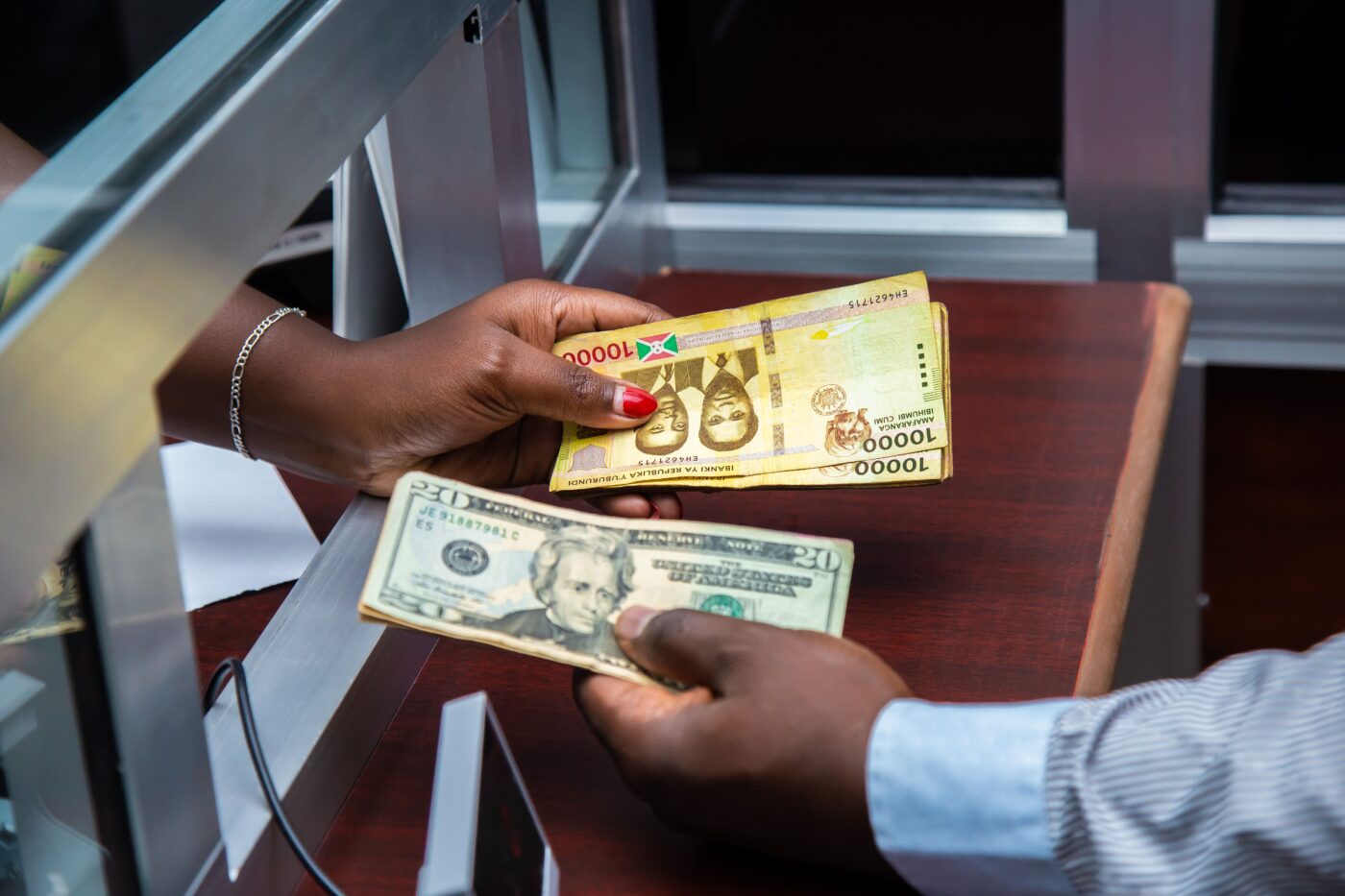
Most people are paying for at least two or three services they barely use. Streaming platforms, gym memberships, meal kit deliveries — a quick review of your last two bank statements usually reveals $50 to $150 a month in forgettable charges. That alone adds up to $1,800 a year.
Rethink Big Recurring Expenses
Housing and transportation are typically the largest line items in any budget. If you’re renting, consider whether a smaller apartment or a roommate situation for a year or two could accelerate your savings significantly. On the car side, eliminating a car payment by driving an older paid-off vehicle can free up hundreds of dollars every single month.
Boost Your Income, Not Just Your Frugality
Cutting expenses only goes so far. At some point, earning more money is the faster lever. That could mean picking up freelance work in your field, selling items you no longer need, or negotiating a raise you’ve been putting off. Even an extra $500 a month directed straight into your down payment fund cuts years off your timeline.
Some buyers also explore down payment assistance programs offered at the state and local level, especially for first-time buyers. These programs vary widely, but they’re worth researching — free money is free money.
Treat the Goal Like a Bill
The most consistent savers tend to share one habit: they treat their savings contribution as non-negotiable, the same way they treat rent or a utility bill. It’s not what’s left over at the end of the month — it’s the first thing that gets paid.
Buying a home takes patience, but the people who get there aren’t necessarily earning more than everyone else. They’ve just made the goal a genuine priority and built their financial life around it. Start with one step this week — open the account, run the numbers, automate the transfer — and you’ll already be ahead of where you were yesterday.