

It feels like a relief at first. You get your credit card bill, the balance is higher than you’d like, and right there at the bottom you see it: the minimum payment due. It’s a small, manageable number. You pay it, and you feel like you handled it. But that small move can quietly turn into one of the most expensive financial habits you’ll ever have.
What the Minimum Payment Actually Covers
When you make only the minimum payment, most of what you’re paying goes straight to interest — not to reducing your actual debt. Credit card companies typically set the minimum at around 1% to 2% of your balance, plus any accrued interest and fees. That means on a $3,000 balance with an 20% annual interest rate, your minimum payment might be around $60. Of that $60, a large portion is just covering the interest charges from the previous month. The principal barely moves.
This is by design. Credit card issuers earn more when you carry a balance longer. The minimum payment structure is built to keep you in debt, not help you escape it.
The Real Cost Over Time
Let’s put some real numbers on the table. Say you owe $3,000 at 20% APR and you only ever pay the minimum each month. Depending on how the minimum is calculated, it could take you more than 10 years to pay off that balance — and you’d end up paying well over $3,000 in interest alone. You’d essentially pay for that original purchase twice.
That’s not a hypothetical scare tactic. Most credit card statements in the U.S. are now required to show you exactly this: a “minimum payment warning” that tells you how long it will take and how much you’ll pay if you only make the minimum. It’s right there on your bill. Most people skip over it.
The Compounding Effect Works Against You
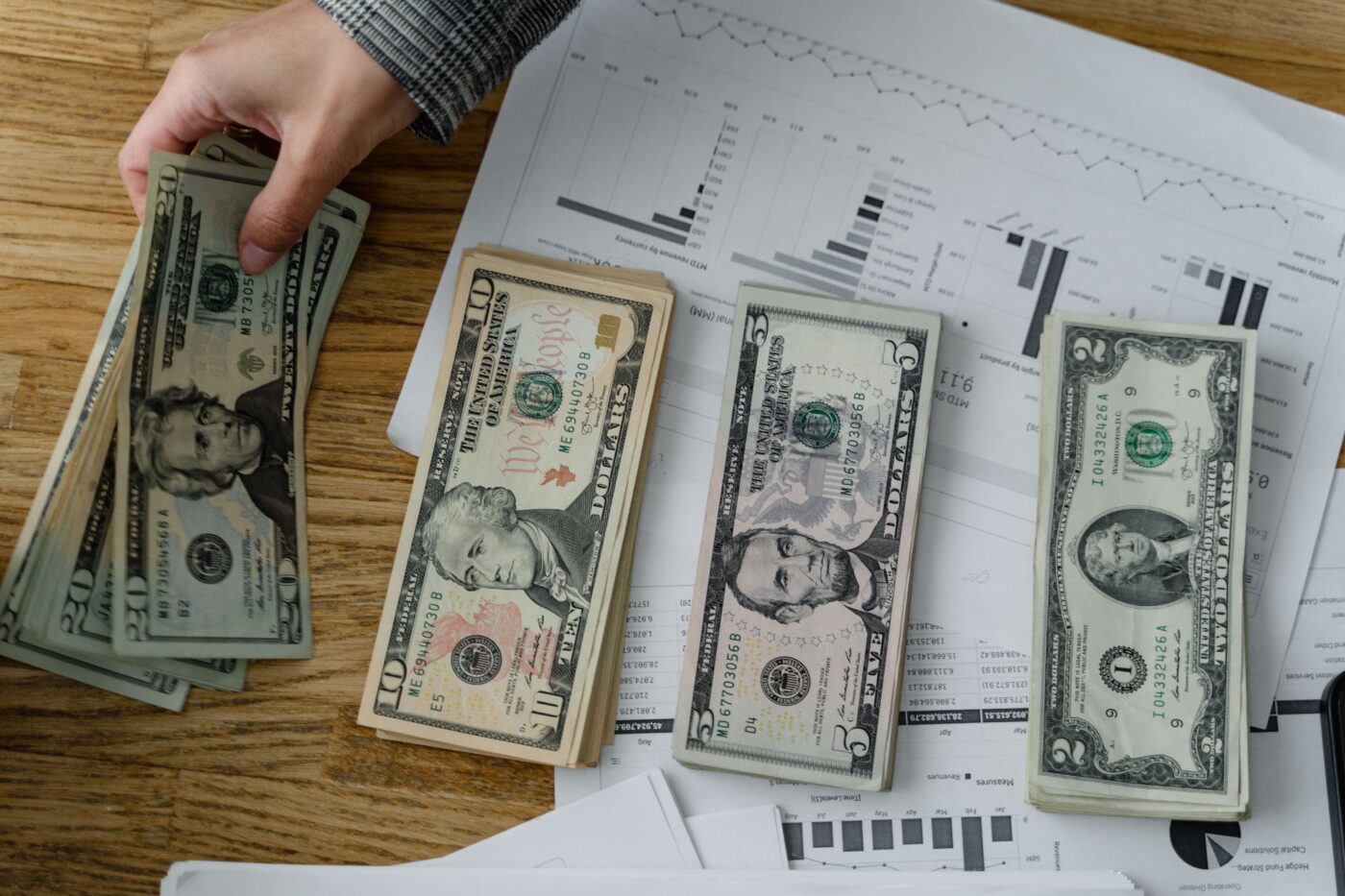
Compound interest is a powerful tool when it’s working in your favor — like in a savings or investment account. When it’s working against you, it’s relentless. Each month, interest is charged on your remaining balance. If you’re only chipping away at a tiny portion of that balance, the interest keeps piling on. The debt doesn’t shrink; it crawls.
How This Affects Your Credit Score
Beyond the financial cost, carrying a high balance affects your credit utilization ratio — one of the most significant factors in your credit score. If your card has a $5,000 limit and you’re consistently sitting at $3,000 or more, that’s 60% utilization. Most financial experts recommend staying below 30%. Staying in minimum-payment mode often means staying in high-utilization mode, which quietly drags your score down month after month.
A Lower Score Has Real Consequences
A damaged credit score isn’t just a number. It can mean higher interest rates on a car loan, difficulty getting approved for an apartment, or paying more for certain insurance policies. The ripple effects go well beyond your credit card statement.
What You Can Do Instead
The goal doesn’t have to be paying the full balance every single month — though that’s ideal. Even paying two or three times the minimum makes a significant difference. Here are a few strategies that actually work:
- Pay more than the minimum whenever possible. Even an extra $30 or $50 per month accelerates your payoff timeline considerably.
- Try the avalanche method. Focus extra payments on the card with the highest interest rate first, while paying minimums on the others. Once that’s paid off, move to the next.
- Consider a balance transfer. Some cards offer 0% APR promotional periods for balance transfers. If you can pay down the balance during that window, you avoid interest entirely.
- Set a payoff target. Instead of thinking about monthly payments, decide when you want the debt gone and work backward to figure out what you need to pay each month to hit that date.
The minimum payment isn’t a safety net — it’s a slow leak. Paying it keeps you afloat just enough to keep you from noticing how much water is already in the boat. Recognizing the trap is the first step to getting out of it, and the math is always on your side once you start paying more.