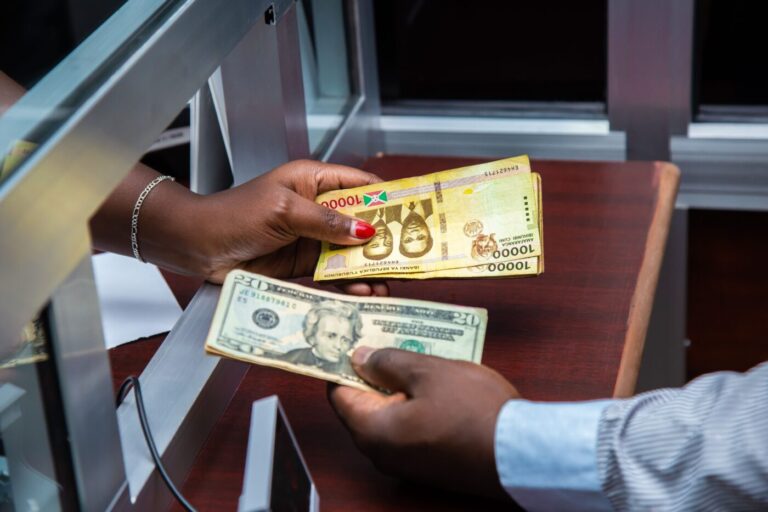

Small Habits, Big Price Tags
Most people don’t blow their budgets on one catastrophic decision. It happens slowly, through habits so routine they become invisible. A daily coffee here, a pack of cigarettes there, a streaming service you haven’t opened in weeks. Individually, none of it feels alarming. Add it up over a year, and the number can genuinely surprise you.
Quitting expensive habits isn’t just about discipline or willpower. It’s a financial strategy, and in many cases, one of the fastest ways to free up real money without changing your income at all.
What “Expensive Habits” Actually Cost
Let’s get specific. A smoker who goes through a pack a day in the United States spends roughly $2,500 to $3,500 per year depending on the state, since tobacco taxes vary significantly. Someone who buys a specialty coffee drink five days a week is looking at around $1,200 to $1,500 annually. Toss in a few unused gym memberships, regular takeout lunches, and a couple of impulse subscription services, and you’re easily past $5,000 a year.
That’s not pocket change. That’s a vacation, a solid emergency fund, or a meaningful contribution to an investment account.
The Hidden Costs Behind the Habit
Some habits carry costs that don’t show up directly on a bank statement. Smoking, for instance, raises life and health insurance premiums. Heavy drinking can affect productivity and lead to medical expenses down the line. Even excessive online shopping, fueled by habit rather than need, often results in items that sit unused and eventually get thrown away, a quiet drain that rarely gets counted.
When you factor in these secondary costs, the true financial weight of certain habits becomes even harder to ignore.

What Happens When You Stop
The immediate effect of dropping an expensive habit is obvious: you spend less. But the longer-term picture is where things get genuinely interesting.
Redirect that money into a high-yield savings account or an index fund, and compounding starts to work in your favor. Someone who quits a $200-per-month habit and invests that money instead could accumulate over $30,000 in ten years, assuming a modest 7% average annual return. That’s the kind of shift that changes retirement timelines.
Building the Gap Between Earning and Spending
Personal finance is fundamentally about the gap between what you earn and what you spend. Most advice focuses on earning more, which is harder and slower. Cutting a habit is immediate. The money is there the very next month.
It also creates a psychological shift. Once people see their savings grow, many find it easier to identify other areas to trim. One good decision tends to build momentum.
Starting Without Going Cold Turkey
Abrupt elimination works for some people, but gradual reduction is often more sustainable. Try cutting the habit in half for a month before stopping entirely. Track the savings explicitly so your brain registers the reward. Replacing a habit with a cheaper alternative, like brewing coffee at home instead of hitting the café, eases the transition while still putting money back in your pocket.
The goal isn’t deprivation. It’s awareness, and then choice. When you truly understand what a habit is costing you, spending money on it becomes a decision rather than a default. And that distinction makes all the difference.