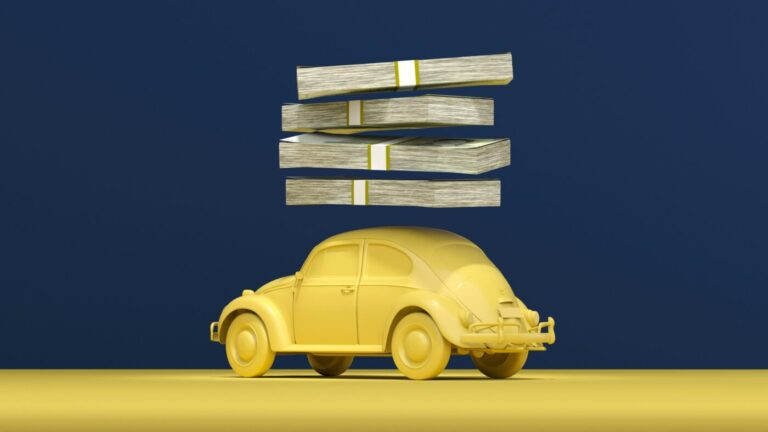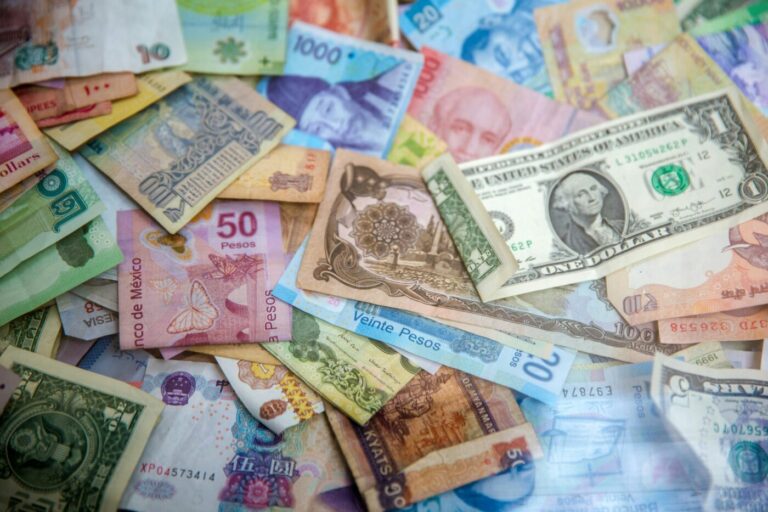

There’s something almost radical about pulling out a crisp bill to pay for groceries in a world built around tap-and-go payments. But people who have tried cash-only budgeting often say the same thing: it changed how they think about money entirely. If you’re carrying debt and struggling to get a real grip on your spending, switching to cash might be one of the most effective moves you can make.
Why Cash Hits Differently Than a Card
Swiping a card is frictionless by design. The whole point is to make spending as easy as possible, which is great for convenience but terrible when you’re trying to cut back. Cash works the opposite way. When you hand over physical bills, you feel the transaction. Studies in consumer psychology have consistently found that people spend less when they pay with cash — the act of parting with something tangible creates a natural pause before you commit.
That pause is powerful. It’s the moment where you ask yourself whether you actually need what’s in your cart or whether you’re buying it out of habit, boredom, or impulse.
How a Cash-Only Budget Actually Works
The mechanics are simple, but the discipline required is real. At the start of each week or month, you withdraw a set amount of cash and divide it into categories: groceries, dining out, gas, entertainment, and so on. Each category gets its own envelope or designated pocket. When the money in an envelope runs out, that’s it for the week. No borrowing from next week, no card as backup.
The Envelope Method in Practice
Say your dining-out budget is $150 for the month. You put $150 in cash in an envelope. Mid-month, you meet friends for dinner and spend $60. You’re now working with $90 for the rest of the month. Suddenly, that random Tuesday takeout order becomes a deliberate choice rather than a reflex. You start planning meals, looking for better deals, and realizing how many small purchases were quietly draining your account before.

This visibility is exactly what debt repayment needs. When you can see and feel exactly what you’re spending, it becomes much easier to redirect money toward your balances.
The Debt Connection
Debt doesn’t usually come from one dramatic bad decision. It accumulates through dozens of small spending habits that go unnoticed for months or years. A cash system forces those habits into the open. Once you see where your money is actually going, you can start making intentional choices about what to cut and how much to funnel toward your debt each month.
Even freeing up an extra $200 or $300 a month by tightening your cash envelopes can make a significant dent in credit card balances over time, especially when interest is compounding against you. Throwing that money at your highest-interest debt first — a strategy known as the avalanche method — accelerates your payoff timeline considerably.
What to Do With Cards During This Period
You don’t necessarily have to cut them up. Some people keep one card for emergencies or for purchases that genuinely require it, like online subscriptions or travel bookings. The key is removing them from your everyday routine so they stop being the default. Leave them at home. Keep them somewhere inconvenient. Make the barrier to using them just high enough that you pause before reaching for one.
The Mindset Shift Is the Real Win
Cash-only budgeting isn’t a permanent lifestyle for everyone. Many people use it as a reset — a few months of strict cash discipline to break bad spending patterns and build a clearer picture of their finances. After that, some return to cards with far better awareness and control. Others stick with cash long-term because they genuinely prefer it.
Either way, the experience changes how you relate to money. Spending stops feeling abstract. Debt starts feeling manageable. And those two shifts together are often exactly what it takes to start making real progress.