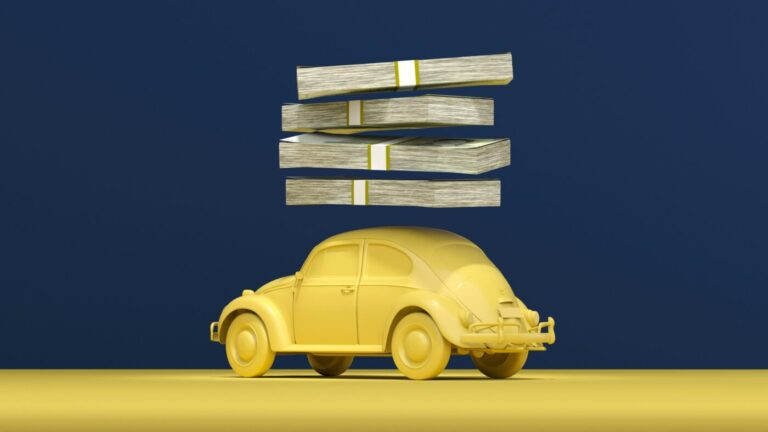

The Moment You Drive Off the Lot
The second a new car leaves the dealership, its value drops. Not gradually — fast. In the first year alone, most vehicles lose anywhere from 15% to 25% of their value. That’s a financial reality most buyers don’t think about until something goes wrong.
Now imagine your car is totaled in an accident six months after purchase. Your standard auto insurance pays out the current market value of the vehicle. But if you financed or leased it, you might still owe more on the loan than that check covers. That gap — the difference between what you owe and what your car is worth — is exactly the problem gap insurance is designed to solve.
What Gap Insurance Actually Covers
Gap insurance, short for Guaranteed Asset Protection, steps in when your primary auto insurance isn’t enough. If your car is declared a total loss (due to an accident, theft, or natural disaster), your standard insurer pays its actual cash value at the time of the loss. Gap insurance covers the remaining balance on your loan or lease.
Here’s a straightforward example: you buy a car for $30,000 and finance it over five years. A year later, it’s stolen. Your insurer determines the car is now worth $22,000. But you still owe $26,000 on your loan. Without gap coverage, you’re personally responsible for that $4,000 difference — even though you no longer have the car.
Gap insurance picks up that $4,000. Simple as that.
When Does It Make Sense to Get It?
Gap insurance isn’t something everyone needs. But for certain situations, skipping it is a real financial risk.
You Made a Small Down Payment
The less you put down upfront, the longer it takes for your loan balance to drop below the car’s market value. If you put down less than 20%, you’re likely “underwater” on the loan for at least the first year or two.

You Have a Long Loan Term
Stretching a car loan to 60, 72, or even 84 months has become common. Longer terms mean slower equity buildup. Your loan balance shrinks slowly while the car’s value depreciates quickly. That’s a combination that keeps you at risk for longer.
You’re Leasing a Vehicle
Many lease agreements actually require gap insurance. Since you never own the car outright, you’re consistently exposed to that value-versus-balance gap throughout the lease period.
You Bought a Car That Depreciates Quickly
Some vehicles lose value faster than others — luxury cars and certain SUVs are notorious for this. If your car drops sharply in value early on, the window of risk is wider.
Where to Get It and What It Costs
Dealerships commonly offer gap insurance at the point of sale, but it’s often marked up significantly. A smarter move is to check with your auto insurer first — many offer it as an affordable add-on to an existing policy, typically for $20 to $40 per year.
Credit unions and banks that issue auto loans sometimes offer it as well, usually at a reasonable flat fee rolled into the loan.
When You Probably Don’t Need It
If you paid cash for your car, gap insurance is irrelevant — there’s no loan to cover. The same goes for situations where you put a large down payment down and the car holds its value well. Once your loan balance drops below your car’s market value, you’ve crossed out of the danger zone and can safely drop the coverage.
Gap insurance is one of those products that sounds niche until you actually need it. For anyone financing or leasing a new vehicle with a modest down payment, it’s a small cost that can prevent a surprisingly painful financial hit. Worth a look before you finalize any car deal.