
Textbooks Don’t Have to Break the Bank
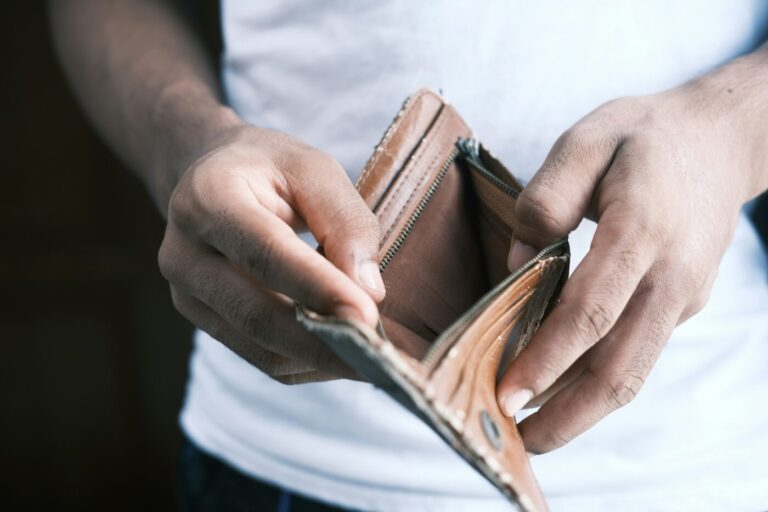
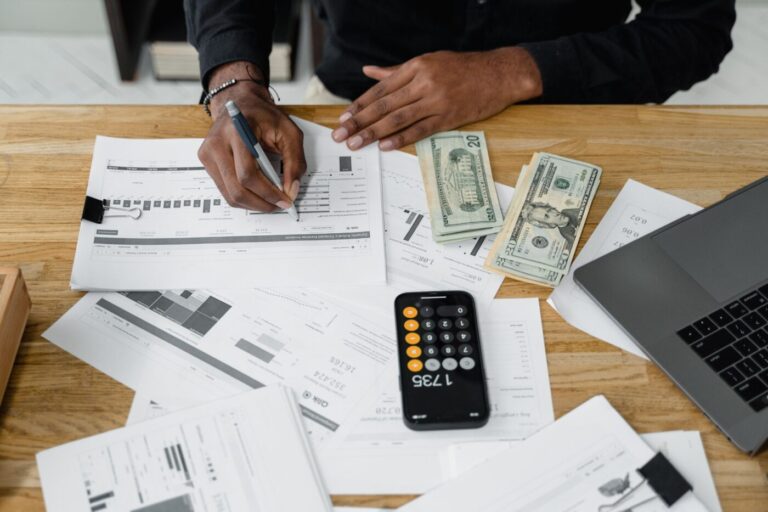
College students spend an average of $1,200 a year on textbooks and course materials. That’s a number that can hit hard, especially when you’re already juggling tuition, rent, and groceries. The good news? There are real, tested ways to cut that cost down significantly — sometimes to nearly zero — without falling behind in class.
Start Before the Semester Does
One of the best things you can do is start looking for books before your course actually begins. The moment you get your syllabus or course list, start comparing prices. Waiting until the first week of classes puts you in a reactive position — and the campus bookstore knows it.
Check Multiple Sources at Once
Sites like BookFinder, AbeBooks, and Chegg let you compare prices across dozens of sellers in seconds. Amazon also carries a huge inventory of used textbooks, often at a fraction of the cover price. A book listed at $180 new might be available used for $25. The condition is usually fine for studying purposes — some highlighting included at no extra charge.
Renting Is Often the Smarter Move
If you only need a book for one semester and won’t reference it again, renting makes a lot of sense. Platforms like Chegg Textbook Rentals, VitalSource, and even Amazon offer rental options with straightforward return policies. You get the book, use it, send it back. Done.
For a class like Intro to Biology or General Chemistry — courses most students take once and never revisit — renting can save you 70 to 80 percent compared to buying new.
Go Digital When You Can
E-textbooks are almost always cheaper than print versions, and many are available for rent as well. Beyond the price, they’re searchable, highlightable, and you don’t have to carry them around. If you’re comfortable reading on a screen, this is a no-brainer for a lot of courses.
Don’t Overlook Free Resources
Some textbooks are available entirely for free through legal channels. OpenStax offers peer-reviewed, openly licensed textbooks for common college courses — economics, statistics, anatomy, and more. Your campus library may also have physical or digital copies on reserve, which you can borrow for a few hours at a time. It’s not ideal for every study session, but it works well for reference checks and exam prep.
Buy Smart, Sell Smarter
If you do end up buying a textbook, treat it like an investment you plan to liquidate. Keep it in good condition, avoid excessive writing in the margins, and sell it back at the end of the semester through Facebook Marketplace, your campus buy/sell group, or platforms like Decluttr. Timing matters — sell right after finals when demand from the next semester’s students is highest.
One Last Thought
The textbook industry has long counted on students feeling like they have no choice. But between rentals, open-source materials, digital editions, and secondhand marketplaces, there’s never been more flexibility. A little planning at the start of each semester can easily save you hundreds of dollars — money that’s better spent on, well, almost anything else.